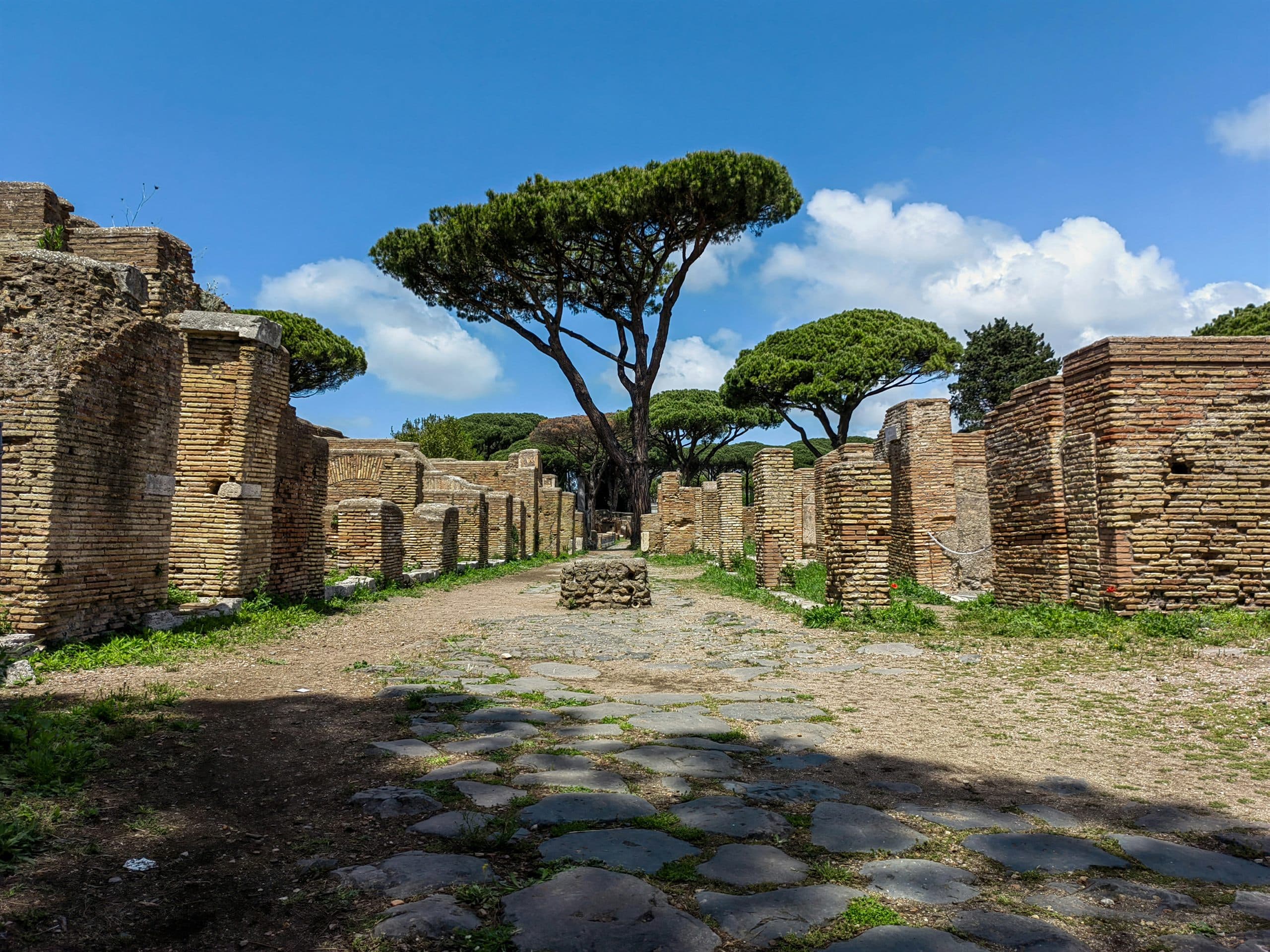
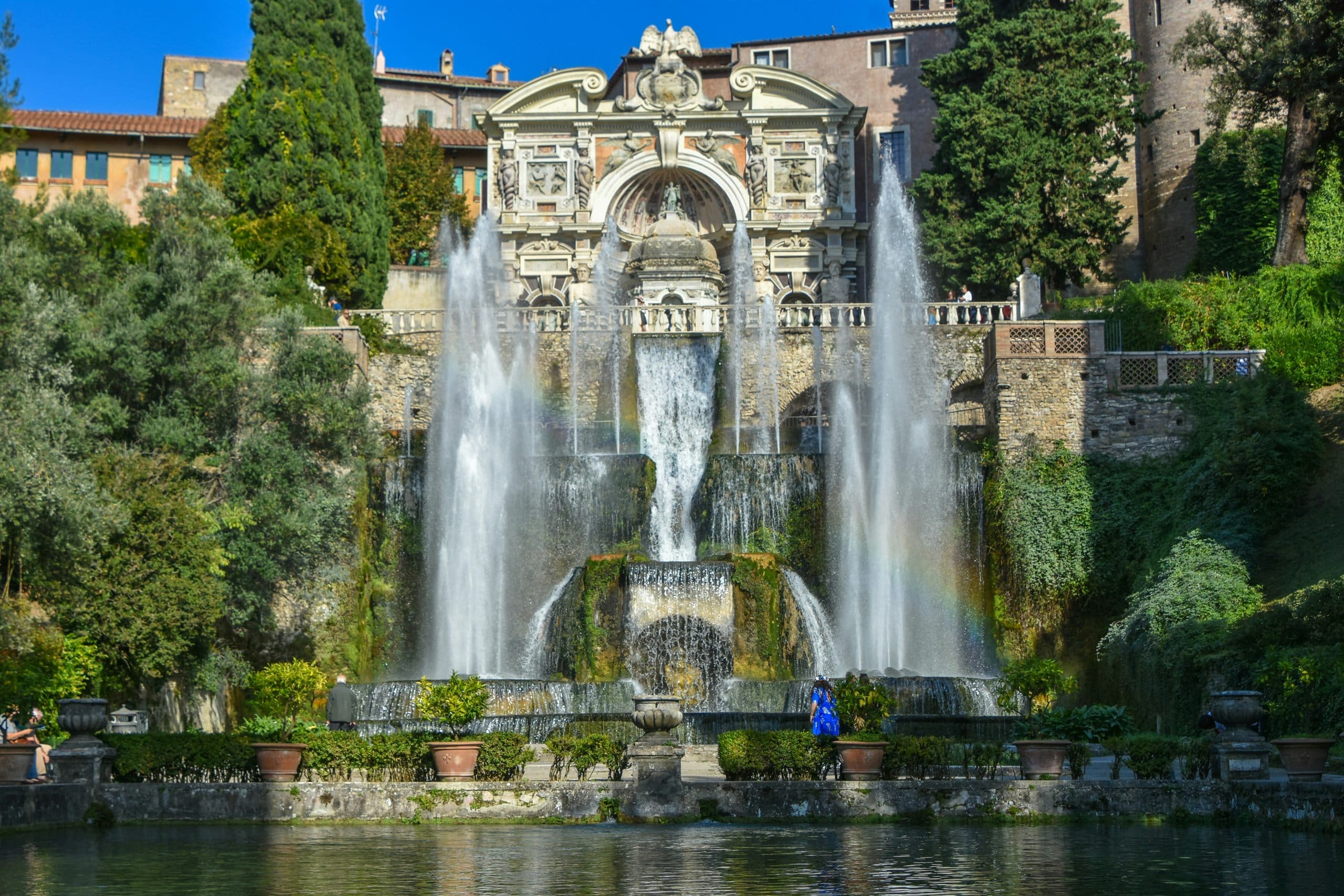
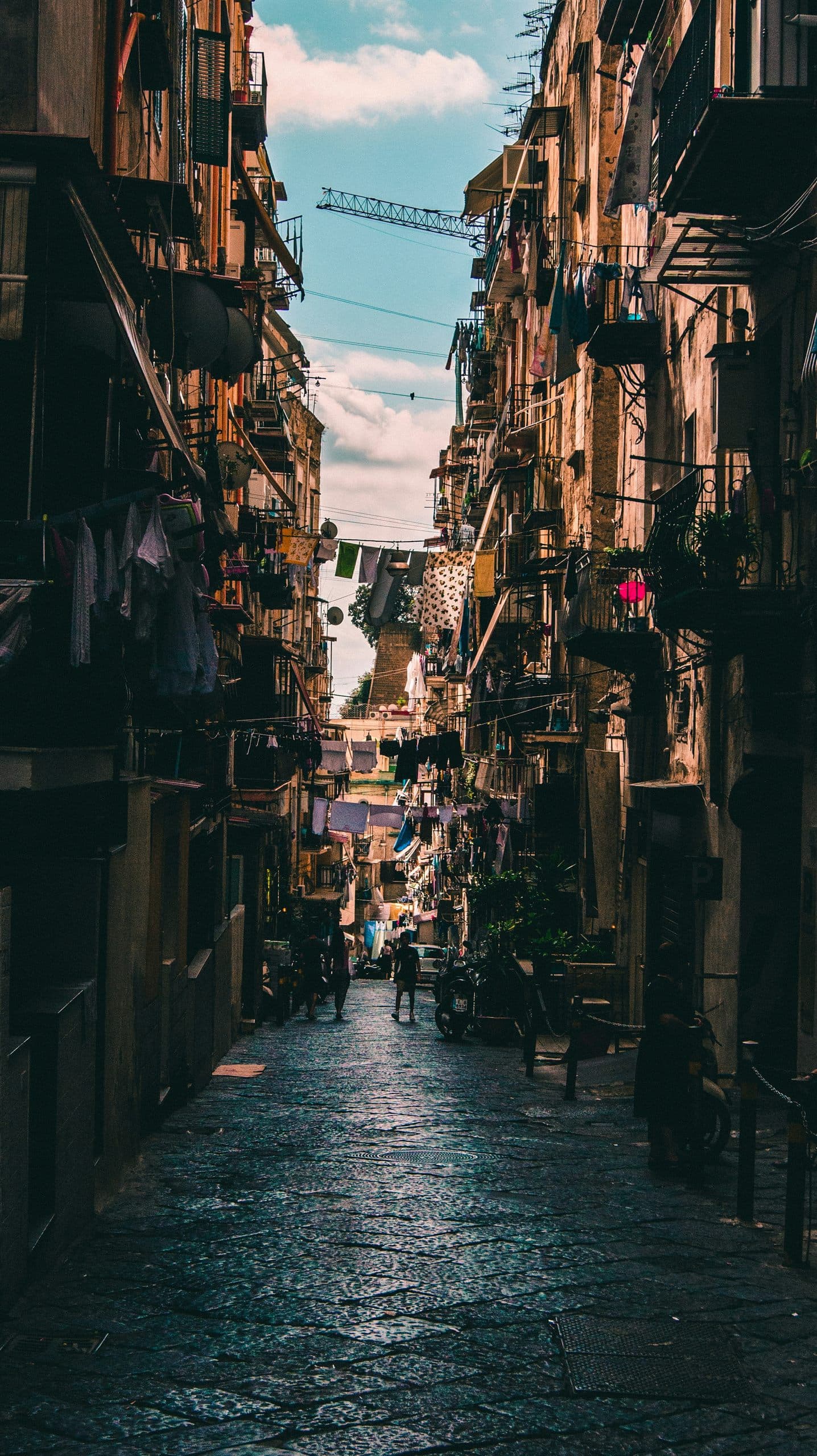
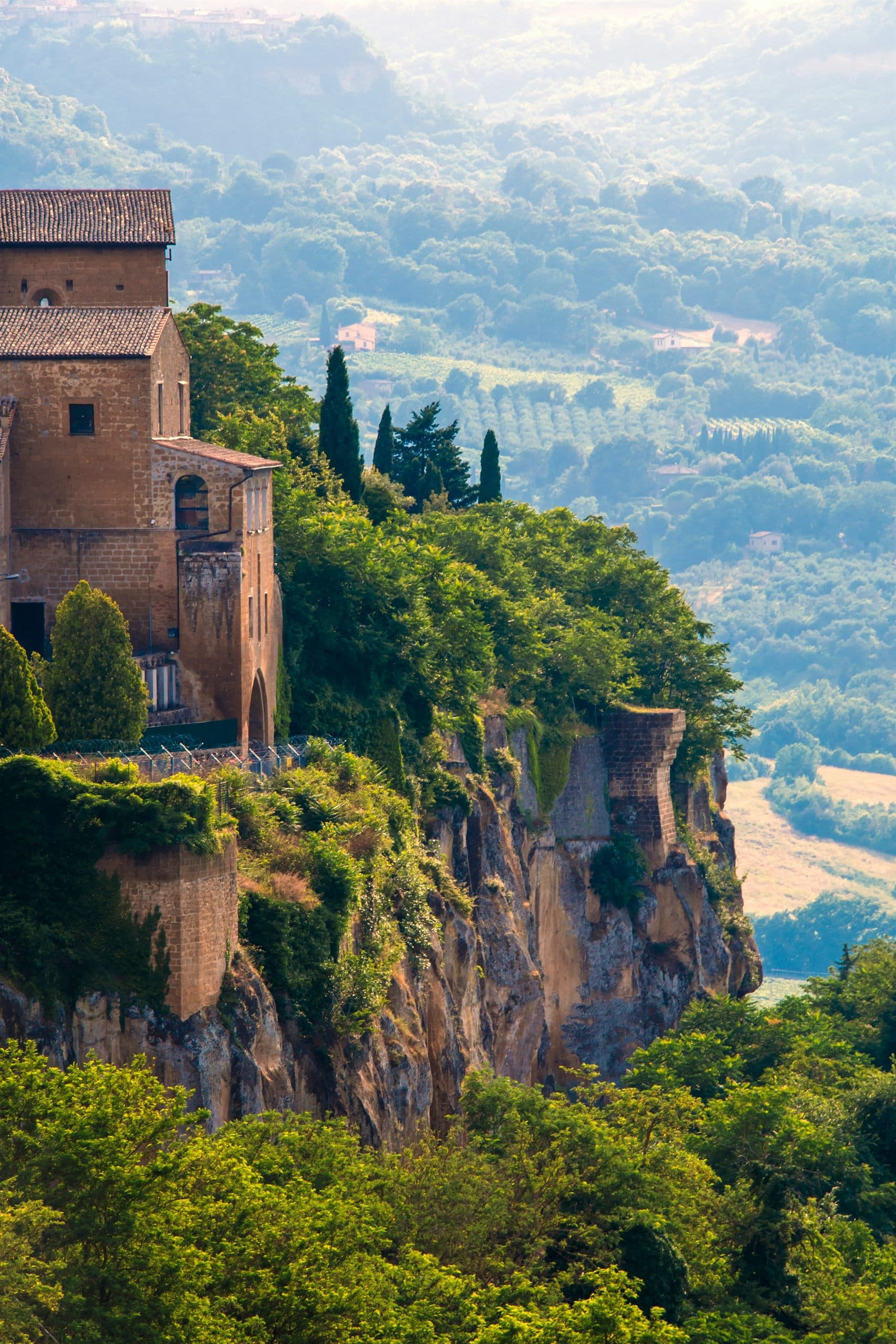
A good share of the people who look for this page are asking a narrower question: which of these can be done without renting a car or joining a tour. For most of the list, the answer is the railway, and it is worth understanding the two tiers of it before you plan around either.
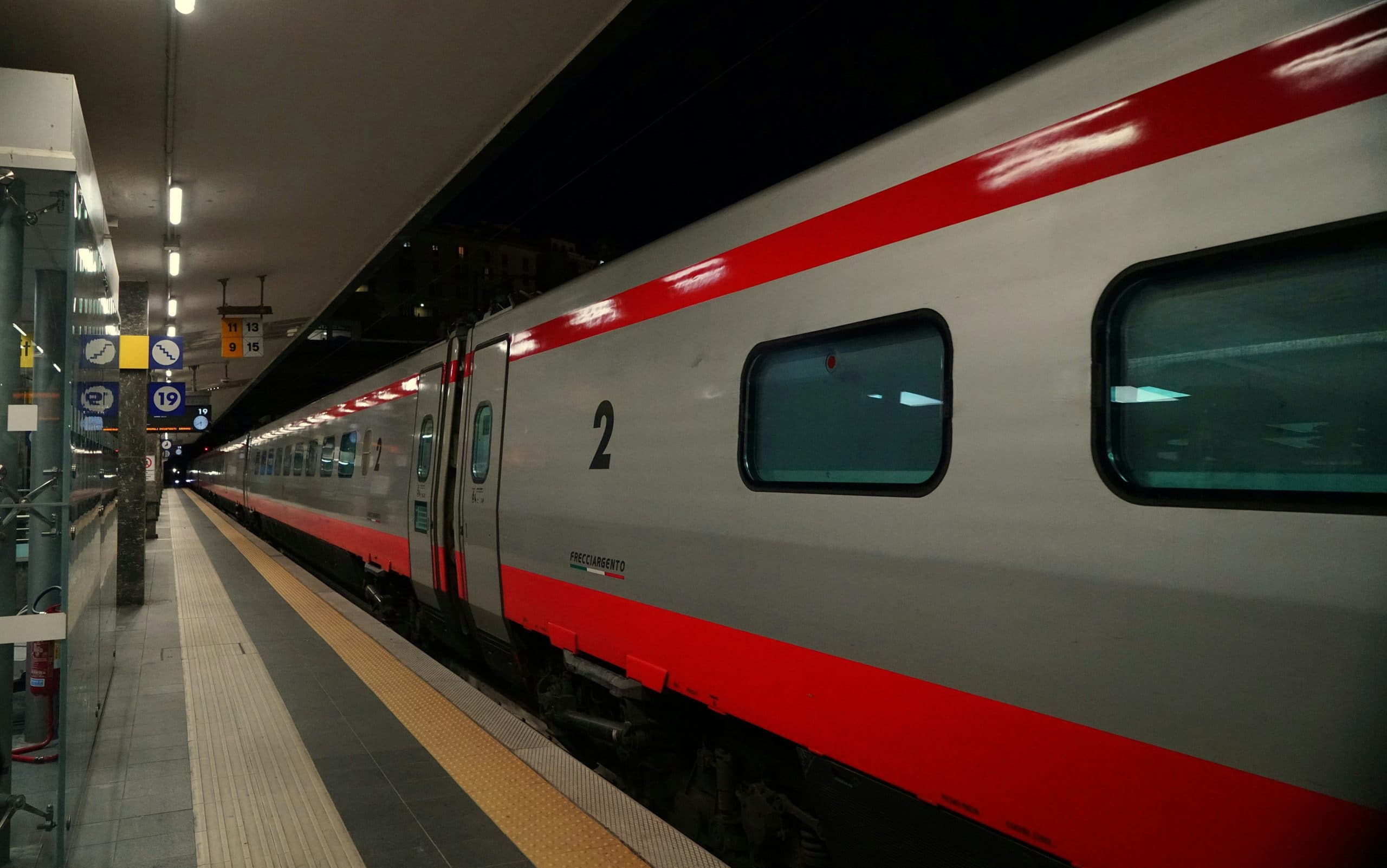
High-speed rail is what makes the far ones close. It is the reason Naples and Florence sit in the easy group at all — journeys of roughly an hour to an hour and a half put the day in the destination rather than in transit. Two operators run high-speed services out of Rome, Trenitalia and Italo, so it is worth looking at both rather than the first one you find.
Regional rail covers the near ones. Tivoli and Orvieto are regional-train destinations, in the one-to-two-hour range, and they behave differently from the high-speed network: slower, and stopping at the smaller places the fast trains pass through.
The station is not always the destination. This is the detail that catches people out. Orvieto’s town is above its station, Assisi’s is above its own, and Tivoli’s second villa is outside the center. In each case there is a local connection and in each case it belongs in your timings rather than in a pleasant surprise on arrival.
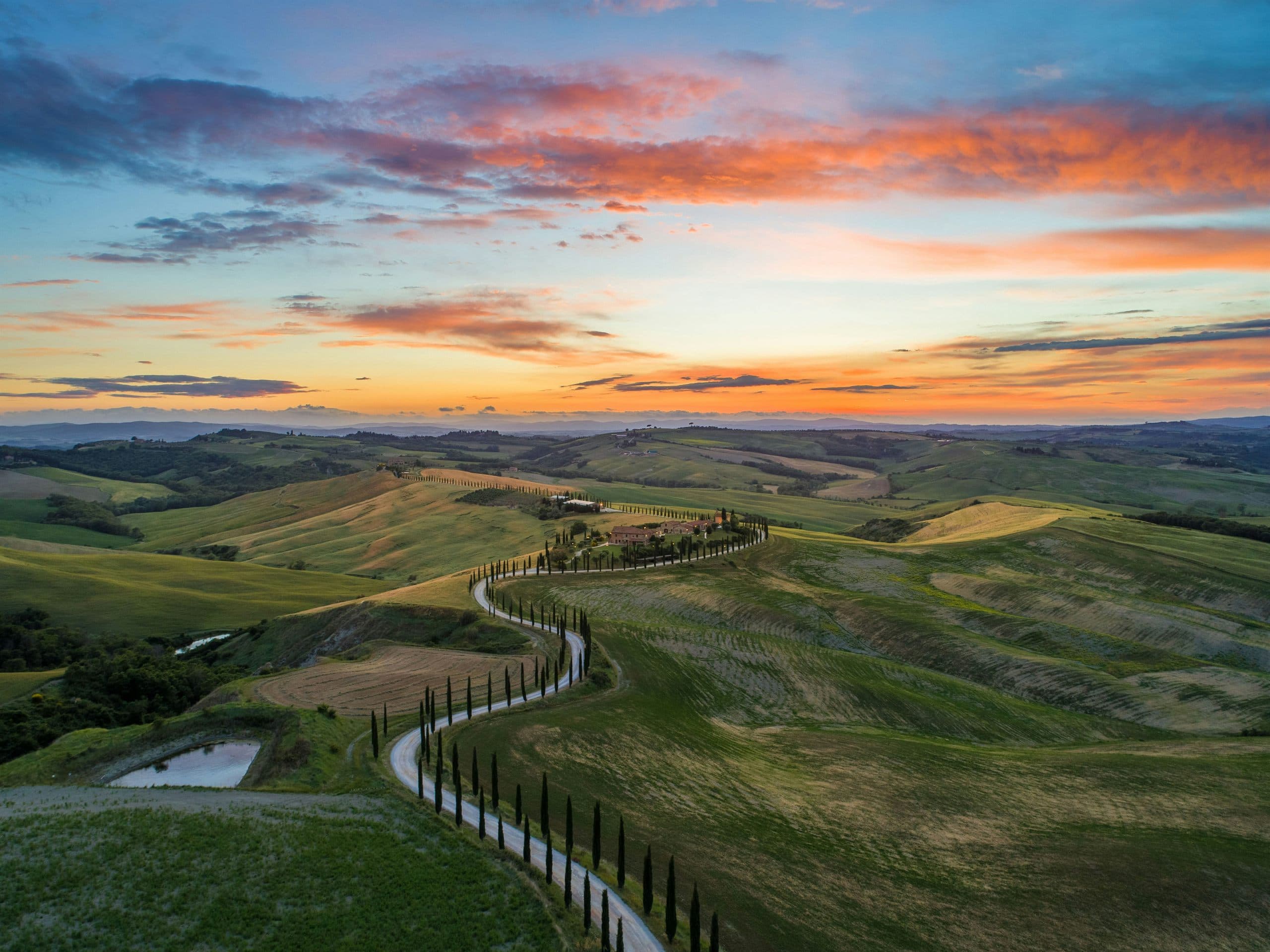
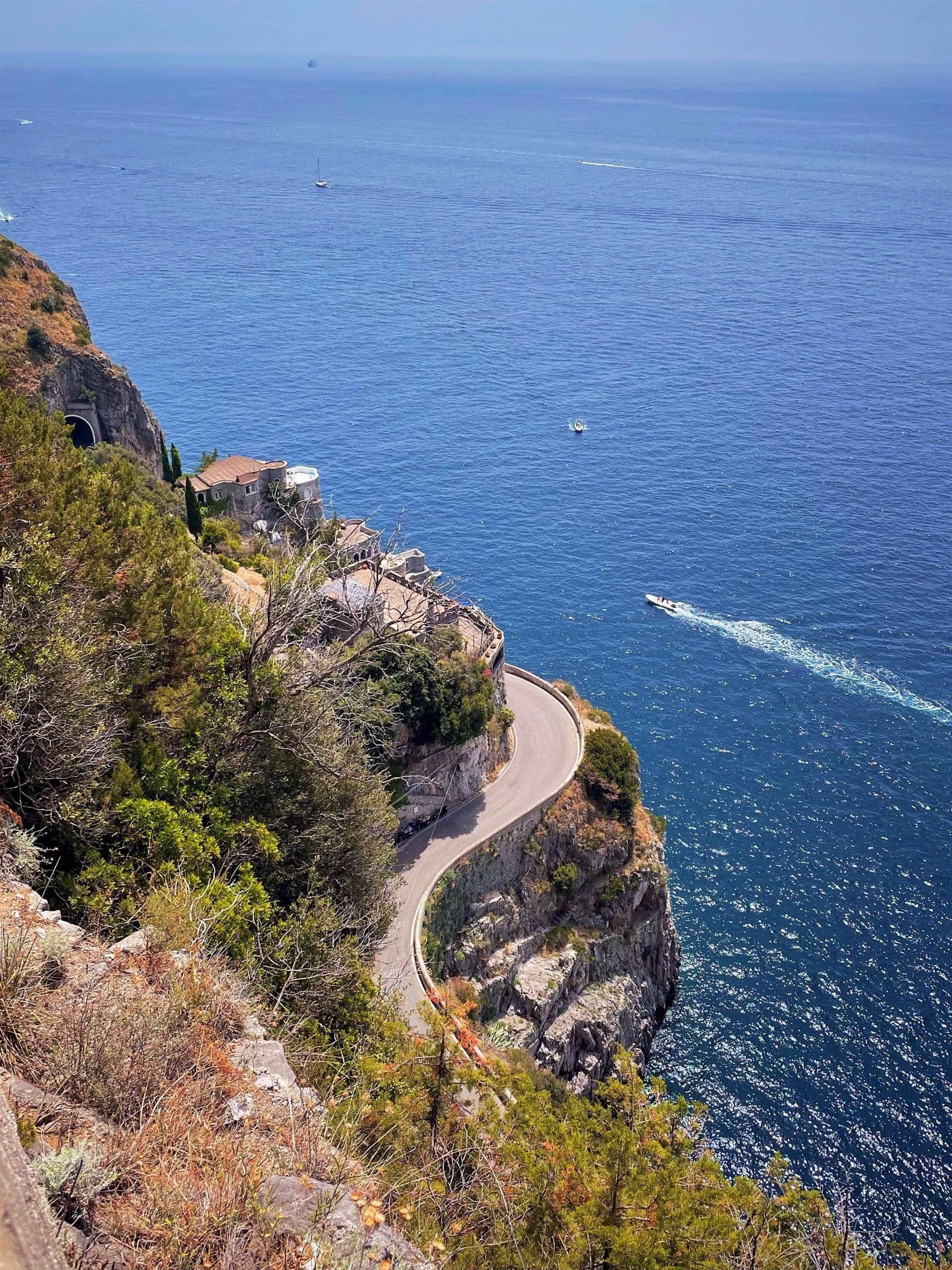
The coast and the countryside add legs. The Amalfi Coast needs a ferry after the train, and the Tuscan countryside is not a rail destination at all. Once a plan needs a third or fourth connection, the question stops being which train and starts being whether the day is worth it.